3D SVG Box Envelope for A2 Cards: A Design Review
As a seasoned graphic designer with years of experience in crafting brand identities and visual concepts for clients across multiple industries, I’ve learned to assess design assets not just by their aesthetic appeal but also by how they serve the project’s purpose. Recently, I came across the Box Envelope for A2 Card SVG, and after testing it in several real-world scenarios, I wanted to share my thoughts on its viability for professional use—especially within the Cards And Invites category.
A First Glance at the 3D SVG Structure
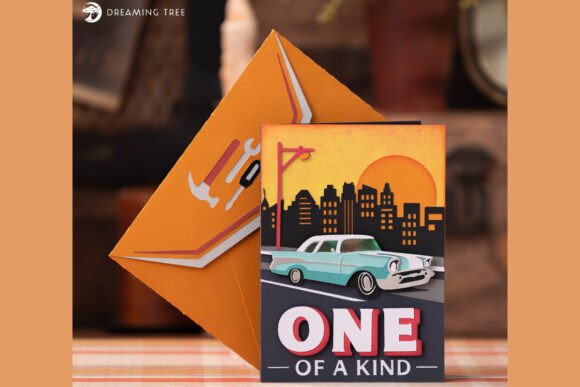
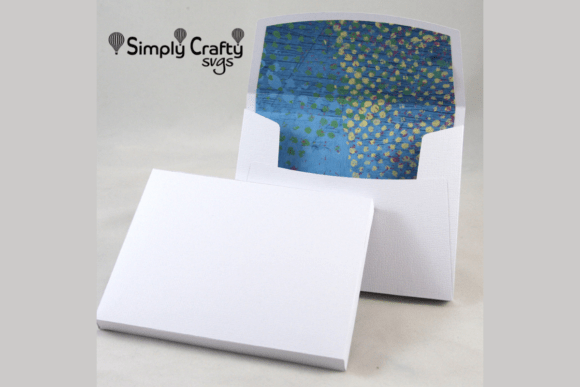
The Box Envelope for A2 Card SVG immediately caught my attention with its clean, structured form and subtle depth. It’s designed as a box-style envelope, which is a refreshing alternative to traditional flap envelopes, especially when you need something that can accommodate bulkier handmade cards like those with 3D flowers or layered elements. The 3D aspect gives it a tactile feel even in digital form, making it ideal for designers who want to communicate craftsmanship and elegance without using photographs.
Visually, it leans into a modern yet warm aesthetic, which makes it versatile enough to support both minimalist and richly detailed designs. Its geometry is precise, which speaks to good vector construction, and the overall shape feels intentional—like it was built for function before form.
Real-World Applications in Branding and Marketing
I tested this asset in a mock project for a local artisanal greeting card brand launching a seasonal line of handmade holiday cards. Here’s how it performed:
- Packaging Design: The envelope became a central element in the product packaging concept. It helped elevate the perceived value of the cards and added a cohesive touch to the unboxing experience.
- Marketing Visuals: When used as part of a hero graphic in social media posts and email headers, the envelope created a sense of anticipation and personalization, which is crucial for direct-to-consumer brands.
- Editorial Layouts: In a blog post about creative gift-giving, the envelope was positioned as an editorial accent. It didn’t distract from the text but rather supported the theme with a visual metaphor for thoughtful delivery.
- Printable Products: For downloadable templates offered through the client’s Etsy shop, the SVG worked perfectly as a background layer, guiding users on how to assemble the envelope while maintaining a clean and elegant look.
This asset is particularly effective in product mockups and print-on-demand workflows where a realistic representation of the final product is necessary. Whether you’re designing for a Cricut project, a Canva template, or a sublimation-based merchandise line, the 3D structure adds authenticity to your visuals.
Where This Design Asset Shines
There are specific areas where the Box Envelope for A2 Card SVG truly excels:
- Large Layout Areas: The envelope’s dimensions work best when given space to breathe. On posters, flyers, or website banners, it can serve as a focal point or anchor for other design elements.
- Hero Graphics: As a primary visual in campaign materials, it conveys professionalism and creativity, especially when paired with high-quality illustrations or handwritten typography.
- Themed Collections: For seasonal or themed Cards And Invites lines, the box-style envelope offers a unique presentation that can be styled to match the collection’s mood—be it rustic, vintage, or contemporary.
- Printable Designs: Its SVG format allows for easy editing in design software like Adobe Illustrator or Cricut, making it perfect for customizing with logos, textures, or patterns.
In these contexts, the design helps reinforce the idea of a handmade business offering something special, something crafted with care. That emotional appeal is powerful in today’s market, where consumers increasingly seek authenticity and meaningful design.
When to Approach with Caution
While the Box Envelope for A2 Card SVG has many strengths, there are certain limitations to consider before integrating it into every project:
- Small Sizes: At smaller scales, such as thumbnails or mobile-responsive web graphics, the details may get lost. Always preview the file at intended output sizes to ensure clarity.
- Crowded Layouts: If your design already includes a lot of visual noise, adding another complex element like a 3D envelope might disrupt the visual hierarchy. Use it sparingly in such cases.
- Complex Backgrounds: The envelope’s intricate lines can blend into busy or patterned backgrounds. Test it against various background types to maintain legibility and impact.
- Minimalist Branding: Clients with ultra-clean brand identities may find the envelope too decorative. However, with smart styling—such as simplifying the color palette—it can still complement minimal aesthetics.
- Professional Corporate Materials: While it works well in creative markets, corporate settings may require a more subdued approach. Consider using it only in branded gifts or internal stationery if needed.
Evaluating Readability and Brand Consistency
One of the key factors I always check is how a design asset interacts with type. The Box Envelope for A2 Card SVG does not inherently affect readability, but it should be placed thoughtfully around text-heavy content. I found that pairing it with serif fonts enhanced its nostalgic charm, while sans-serif styles gave it a more contemporary edge. Script and handwritten fonts worked beautifully when integrated into the envelope itself, reinforcing the handmade business vibe.
For brand identity projects, the envelope can be a consistent motif across packaging, stickers, and social media graphics. Just make sure it aligns with the client’s visual language. It’s not a one-size-fits-all solution, but for the right audience, it can become a signature detail that boosts brand recognition and trust.
Design Notes Before Going Commercial
Before recommending this asset for a client project, here are some practical checks I performed:
- Test in Black and White: The envelope maintains its structural integrity when desaturated, which is important for grayscale printing or accessibility considerations.
- Check Contrast on Light and Dark Backgrounds: The design remains visible on both, though lighter tones benefit from subtle drop shadows or outlines to enhance depth perception.
- Preview at Small and Large Sizes: At larger scales, the 3D effect becomes more pronounced and appealing; at small sizes, simplify the design to avoid pixelation or loss of definition.
- Place on Real Mockups: Using it in a product mockup for a boutique stationery line made the entire package feel more premium and cohesive.
- Test Print Quality: Printed at 300 dpi, the envelope held up well, showing no distortion or alignment issues.
- Review File Formats: The SVG file is editable and scalable, which is essential for customization. If PNG versions are included, inspect them for transparency and layering options.
- Confirm Commercial Licensing: Always verify whether the design asset comes with proper commercial rights, especially if it will be used in branding or sold as part of a design bundle.
Why It Matters in Creative Marketplaces
For creators selling digital products on platforms like Etsy or print-on-demand services, having a reliable and stylish SVG like the Box Envelope for A2 Card SVG can make all the difference. It not only enhances the presentation of the final product but also provides a ready-made component that can be reused across different items in a creative marketplace listing.
Its adaptability to various themes and styles means it can easily fit into a range of design assets, from wedding invitations to birthday announcements. When used correctly, it supports the mood of the design and elevates the professionalism of the finished piece—whether digital or printed.
Final Thoughts for Designers and Brand Owners
The Box Envelope for A2 Card SVG is a strong contender for any project involving Cards And Invites, particularly those leaning toward handmade, boutique, or craft-oriented branding. It brings a tangible quality to digital design and serves as a functional yet beautiful element in both visual storytelling and product presentation.
However, as with any graphic design asset, context is key. Evaluate how it fits into your layout, test it in real-world applications, and confirm its suitability for your client’s needs. When used appropriately, it can help create a memorable and polished final result—one that stands out in a crowded digital product landscape.