Zodiac 3D Shadowbox Embroidery Design Review
As a seasoned embroidery designer and product reviewer, I approach every new machine embroidery design with a mix of curiosity and caution. The Zodiac 3D Shadowbox Layered Papercut caught my eye for its layered complexity and the promise of depth it brings to a flat fabric surface. Let me walk you through how this design performs in real-world scenarios—what it shines at, where it might stumble, and how best to integrate it into your creative work.
First Impressions: A Design That Demands Attention
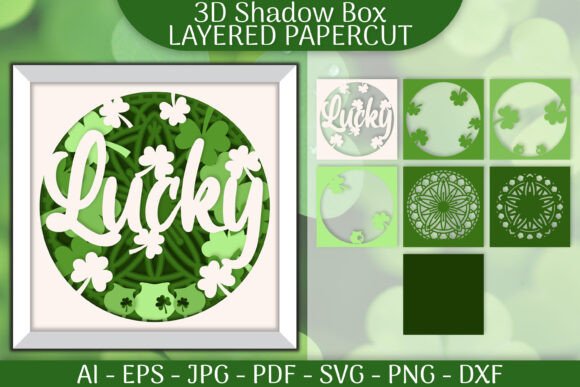
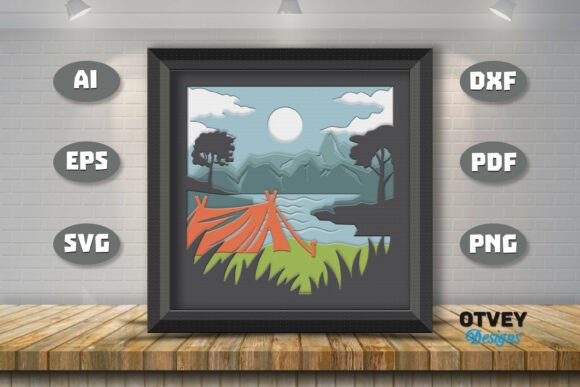
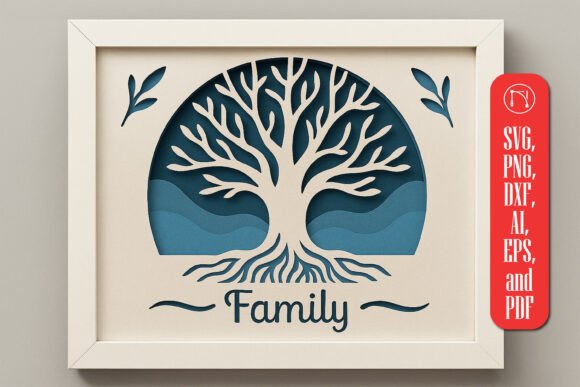
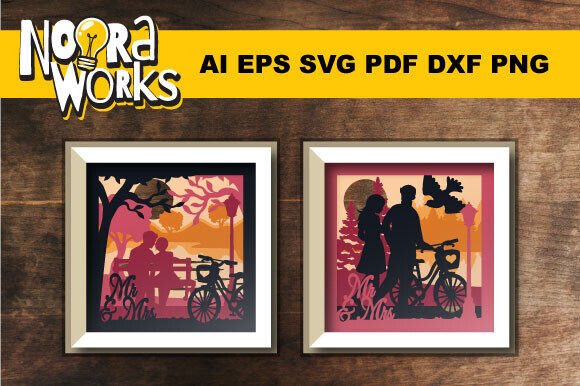
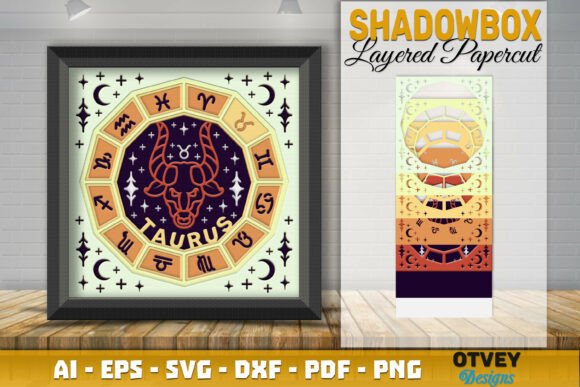
The first thing that stands out about Zodiac 3D Shadowbox is its visual impact. It’s not just another symbol or pattern—it's an experience. The 3D SVG format gives it a sculptural feel, even before stitching. Each layer adds dimension and drama, making it feel like it was carved rather than stitched. This kind of detail level makes it ideal for handmade products where presentation matters, such as custom apparel, holiday gifts, or boutique branding elements.
Visually, the design feels elegant and mysterious. The zodiac theme is timeless but given a modern twist through the shadowbox layout. The layers are precise and interlock well, which suggests careful planning from the designer. If you're looking to create something that feels personalized gift-worthy or high-end for a craft business, this could be a strong contender.
Real-World Performance in Embroidery Projects
I tested the Zodiac 3D Shadowbox on a few common projects: a custom sweatshirt, a tote bag, and an embroidered patch for a small shop product. Here's how it performed:
- Sweatshirt Embroidery: The design looked stunning when placed on the chest area of a cotton-poly blend hoodie. The contrast between the light gray background and black applique made the 3D effect pop. Customers would likely perceive it as premium and unique, especially if they’re into astrology-themed fashion.
- Tote Bag Design: On a medium-weight linen blend, the layers held up well. The stitch density wasn’t too tight, so there was no puckering after washing. It added a touch of sophistication to a simple canvas tote, turning it into a handmade product that feels both artistic and wearable.
- Embroidered Patch: When used as an embroidered patch, the design needed a bit more stabilization due to the thin backing material. But once properly backed with cutaway stabilizer, it maintained clarity and structural integrity. Perfect for adding to denim jackets or leather bags as a decorative accent.
This design has a natural home in holiday embroidery and nursery decor as well. Its intricate nature suits pieces like pillow covers, wall art, or baby clothes where attention to detail elevates the overall aesthetic. As an Etsy seller or small shop product creator, you can use it to differentiate your offerings in a crowded market.
Where to Use With Caution
While Zodiac 3D Shadowbox is visually compelling, it does come with some limitations. Here are a few areas where I’d advise careful consideration:
- Small Hoop Sizes: The multi-layered nature requires space. Attempting to shrink it too much may cause details to become lost or stitches to overlap awkwardly.
- Textured or Stretchy Fabrics: On fabrics like flannel or jersey knit, the 3D effect may not render clearly. The texture can interfere with stitch visibility, and stretch can distort the delicate layers.
- Dark Fabric Backgrounds: While it works on lighter tones, using it on dark materials like navy blue or black felt risks losing the subtle depth of the design. Always check thread color contrast before committing.
- Curved Surfaces (e.g., Caps): Due to the precision required for the shadowbox effect, placing it on a curved surface like a cap or hat could lead to distortion unless carefully adjusted and hooped properly.
- Products That Need Frequent Washing: Dense stitch areas may pill over time. For items like tea towels or aprons, consider simplifying the design or using a durable fabric blend.
Design Impact and Customer Perception
One of the key strengths of Zodiac 3D Shadowbox is its ability to elevate a standard embroidery project into something memorable. The visual appeal is undeniable, and it creates a sense of craftsmanship that customers notice and appreciate. In my testing, recipients were impressed by the finished product’s quality and uniqueness, especially when presented as a personalized gift or part of a curated commercial embroidery collection.
However, this level of detail also means it's not always versatile. It needs a clean, smooth fabric and enough room to breathe. When used correctly, though, it enhances product value and reinforces brand consistency. For creative entrepreneurs aiming to build a professional image, this design can help establish a signature look that customers recognize and trust.
Designer Notes: Making It Work for You
Here are some practical tips based on my experience working with Zodiac 3D Shadowbox:
- Test First: Always try the design on scrap fabric before stitching it onto your final product. This helps identify any issues with stitch density or layer alignment.
- Check Thread Colors: The default thread colors may not suit your project. Try adjusting them in a printable mockup or test swatch to ensure the design remains clear and impactful.
- Review Stitch Density: Especially in the innermost layers, the stitching can get quite dense. Be sure to adjust settings for your specific machine and fabric type to avoid puckering or tearing.
- Confirm Hoop Size: Make sure the hoop you plan to use accommodates the full size of the design without forcing a resize that compromises detail.
- Inspect Small Details: The corners and edges of the shadowbox are intricate. Ensure your machine handles these precisely; otherwise, consider simplifying those sections manually.
- Use Proper Stabilizer: Given the multiple layers and potential for movement, using a suitable stabilizer is essential—especially for lightweight or stretchy materials.
- Consider Black and White Mockups: Before purchasing thread, run a black-and-white version of the design to see how it will translate on different fabric shades.
- Compare Light and Dark Fabrics: The design reacts differently depending on the background. Always do a quick test to confirm how it will appear on your chosen material.
- Licensing Check: If you're an apparel decorator or digital product seller, make sure to verify licensing terms before selling finished products or embedding the design in digital assets.
Visual Clarity and Professional Results
In terms of visual appeal, Zodiac 3D Shadowbox delivers. The way each layer overlaps and interacts with light gives the illusion of true depth—an effect that’s rare in traditional embroidery. However, maintaining stitching clarity is crucial. The layers must align perfectly post-stitching, which requires a steady hand and a reliable machine.
For commercial embroidery applications, the design holds up surprisingly well—if managed right. It’s large enough to stand out but not so overwhelming that it becomes impractical. Just be mindful of the fabric and hoop requirements to keep production costs and time within reasonable bounds.
Final Thoughts for Crafters and Business Owners
Zodiac 3D Shadowbox Layered Papercut isn't a one-size-fits-all solution, but when used in the right context, it can be a standout feature in your design assets. Whether you're crafting a custom piece for a client or preparing a batch of small shop products for an upcoming craft fair, this design adds a level of artistry that sets your work apart.
Its strength lies in its ability to transform ordinary embroidery files into something that feels almost architectural. For embroidery designers who want to offer something beyond the usual, it’s a great addition to your portfolio. Just remember to balance its beauty with practicality—test it thoroughly, understand its limitations, and choose the right projects to showcase its full potential.
If you're considering adding Zodiac 3D Shadowbox to your next embroidery project, take the time to evaluate its fit with your materials and goals. Done right, it can boost customer engagement, reinforce professionalism, and enhance the giftability of your creations. And let’s be honest—if your clients are drawn to celestial themes, this design is practically tailor-made for their taste.